
Head lice
Head lice are tiny, wingless insects that live on the human scalp and feed on small amounts of blood. They are a common problem among school-aged children and are not a sign of poor hygiene. While annoying, head lice do not spread disease.
Common symptoms
- Intense itching of the scalp, neck, and ears
- Feeling of something crawling on the scalp
- Small red bumps or sores on the scalp from scratching
- Visible lice on the scalp or hair (though they are often hard to spot)
- Visible nits (lice eggs) attached to hair shafts close to the scalp
- Difficulty sleeping due to itching
Cause
Head lice are caused by a parasitic insect called Pediculus humanus capitis. They are spread primarily through direct head-to-head contact with an infested person.
How common is it?
Head lice infestations affect an estimated 6-12 million U.S. children ages 3-11 annually, according to the CDC. Prevalence is highest among elementary school-aged children, regardless of socioeconomic status. Head lice are spread through direct head-to-head contact and shared personal items.
Treatment
Treatment involves using over-the-counter or prescription medicated shampoos, lotions, or rinses specifically designed to kill lice and nits. Carefully follow the product instructions, and a second treatment 7-10 days later is often recommended to kill any newly hatched lice. Fine-toothed nit combs are also essential for removing nits from the hair.
What parents keep on hand
These are everyday supplies parents tell us they like to have on hand, not medical advice. Nothing here diagnoses or treats anything. Always follow your pediatrician's guidance, and check labels for your child's age and weight.
As an Amazon Associate, I earn from qualifying purchases. This may help support Ickly at no extra cost to you.
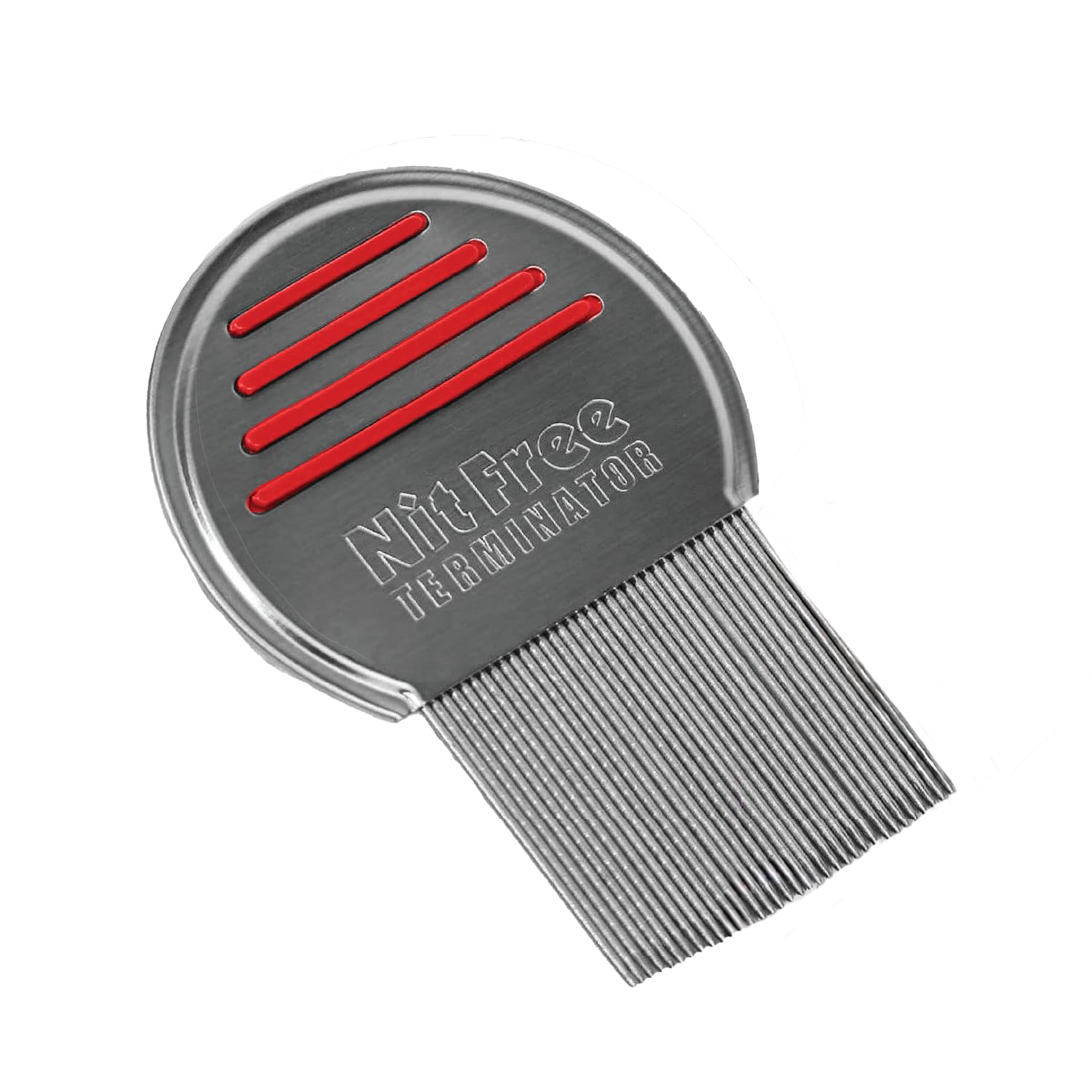 Metal nit combBest first purchase for most families. Durable fine metal teeth help with checking and careful removal.Find it on Amazon
- Bright clip-on light or headlampUseful for an organized at-home check, especially behind the ears and at the nape of the neck.Find it on Amazon
- Hair sectioning clipsA practical convenience for working through long, thick, or curly hair in small sections.Find it on Amazon
- Fine-tooth comb conditionerHelps make careful wet combing more manageable. Do not use before medication unless its label allows it.Find it on Amazon
Prevention
To prevent the spread of head lice, teach children to avoid head-to-head contact during play and other activities. Discourage sharing personal items like hats, combs, brushes, hair accessories, and headphones. Regularly check your child's hair, especially behind the ears and at the nape of the neck, if there's an outbreak at school or among friends.
See what's going around
Track Head lice and other illnesses at your child's school in real time.
Frequently asked questions
Head lice articles for parents
- October 2025When Should Kids Stay Home from School?Guidelines to help parents make the tough call about keeping sick kids home.
- December 2025Managing School Sick Days: A Chicago Working Parent's Survival GuideWhen your child is sick and you have work, something has to give. Practical strategies for Chicago parents juggling careers and caregiving.
Related illness guides
Medical disclaimer: Educational only. Always consult a healthcare provider for diagnosis and treatment.